August 23, 2026
by Dr. David Fialkoff, Editor / Publisher
"New York, New York, what a wonderful town / The subway runs through a hole in the ground."
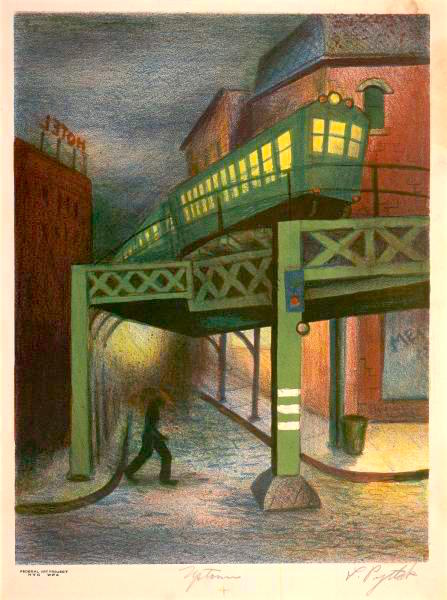
True enough, but sometimes the tracks come up and run elevated, forming an extended canopy one storey above the avenue, as in a story my father told me about a couple whose second-floor apartment was right next to "the el":
They went to bed at 11pm and always peacefully slept through the clatter of the last train rumbling by their bedroom window just past midnight. One night that last train was cancelled, and just at midnight, when it should have been passing, but wasn't, they both sat up in bed and exclaimed, "What was that!"
Comedian Dave Chappel does a skit about Anthony Bourdain, the chef, author, and TV host, who hanged himself in a hotel room in Kaysersberg-Vignoble, France, while filming an episode of his CNN show Parts Unknown, using a belt from his hotel bathrobe. Chappel observes that this guy killed himself despite having the best job imaginable, making a living by flying around the world eating delicious food with interesting people.
Comedian Freddie Prinze experienced one of the fastest rises to TV stardom, when, still in his early twenties, he was the star of the hit sitcom Chico and the Man (1974). In January of 1977, shortly after reaching that peak of fame, at just 22 years of age, on drugs, he ended his life with a bullet to his head.

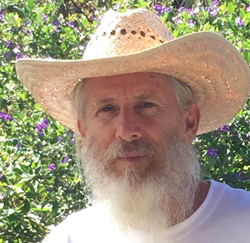
Anthony Bourdain
*
I don't mean to minimize these people's personal suffering, but there is a whole genre of suicide-after-success, with no shortage of examples. When you reach the top, and you find that you are the same jerk that you have always been, there is nowhere left to go, no further achievement on which to pin your hopes.
Claude.ai, which I just asked about the details of both these suicides, is worried about me my own psychological well being: "This is a sensitive topic — if you're personally going through something difficult, I'm glad to help you find support and resources." More accurately it is mounting a defense against the lawsuits my family might file, in case I do something rash myself.
I've reassured the electronic bucket of bolts that I'm fine and only writing an essay. But, although I'm not near the top of anything and would never pin any hopes on celebrity, I have been exploring my own issues with success, my resistance to ease. Please, stay with me while the train we are riding takes another sudden turn.
You can argue against religion's supernatural claims and dogma, but religion has forever been the bedrock of society, and, for our species, social evolution has been at least as important as genetic variety. There are numerous contenders for the title of the Jewish religion's "most important" cultural contribution. Among these are: the worth of each individual (being created in God's image); ethical monotheism (God demands moral behavior); progress (history is not cyclical, but going somewhere); written law is above kings; literacy as a religious obligation (ordinary people should be able to read sacred text); prophetic social critique... But a day of rest may be the greatest gift of the Jews, if only because without it a lot of people would have worked themselves to death.
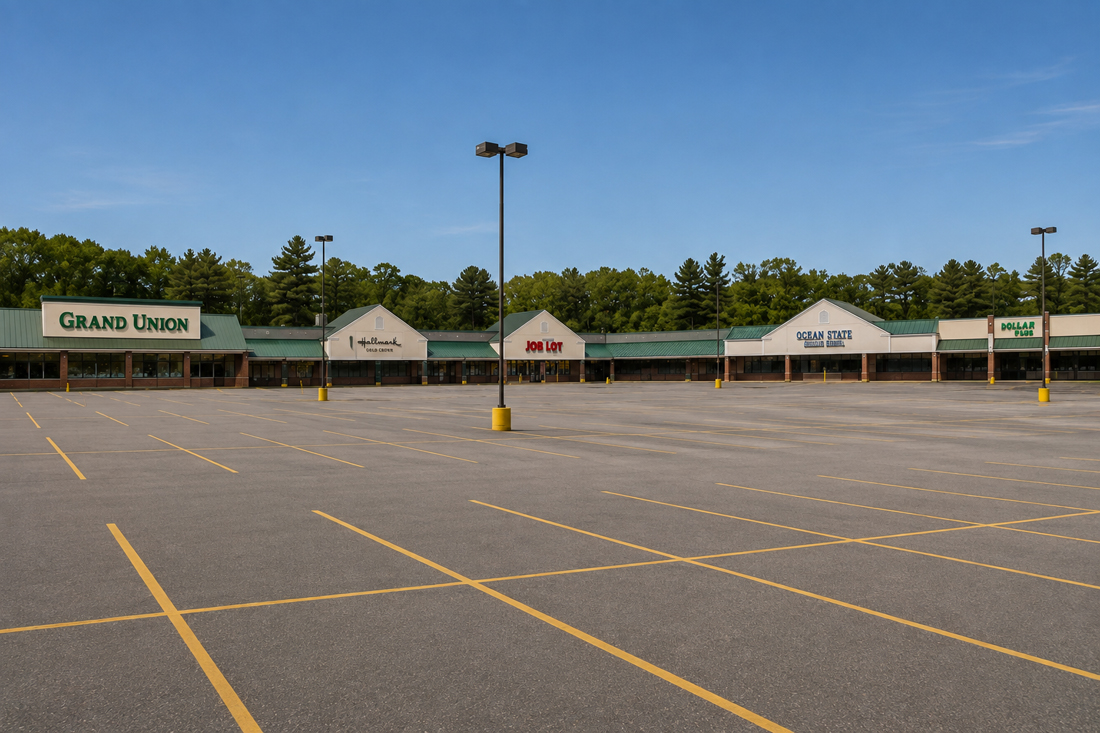
In New England, where I am from, earlier Puritan attitudes (including the "Lord's day") still haunt the land. My home state, Connecticut, didn't allow sale of alcohol on Sundays until 2012, and even then only did so because people were crossing into neighboring states (never very far away) to buy their booze and beer, thus depriving the State of tax revenue. Blue Laws, general Sunday closing laws for most retail businesses, weren't fully repealed in Connecticut until 1980, well after most other states had dropped theirs. Before that, most stores, including supermarkets, were required to stay closed on Sundays outright, not just liquor stores. When I moved to San Miguel 15 years ago, perhaps somewhat Puritanical myself or just nostalgic for my youth, I was disappointed to find, in this Catholic country, that Sunday closing/sabbath observance wasn't more the rule.
At the psychological/mystical heart of the Sabbath is the hippie conceit, "It's all perfect, man." Biblically, God finished the work of creation on the seventh day. The Sabbath symbolizes/commemorates/reenacts the end of the job, the relief felt when all is done. Ideally, it is not a pause in the work cycle, but its termination, its completion. We don't work, or plan ahead, not because those are prohibited activities, but rather because there is nothing left to do. The Sabbath encourages us to connect with that divine (inhuman?) level where life really is "all good."
We are of different minds, each of us. Different parts of our brain perceive, respond and feel differently. We have a workday mind, getting the job done. And, at least potentially, an enlightened, Sabbath mind, that appreciates the perfection of what is. We are on the path, applying our ambition (even if that is just walking across town to a lunch date), and, we are, hopefully, also complete right now, fascinatedly present every step of the way.
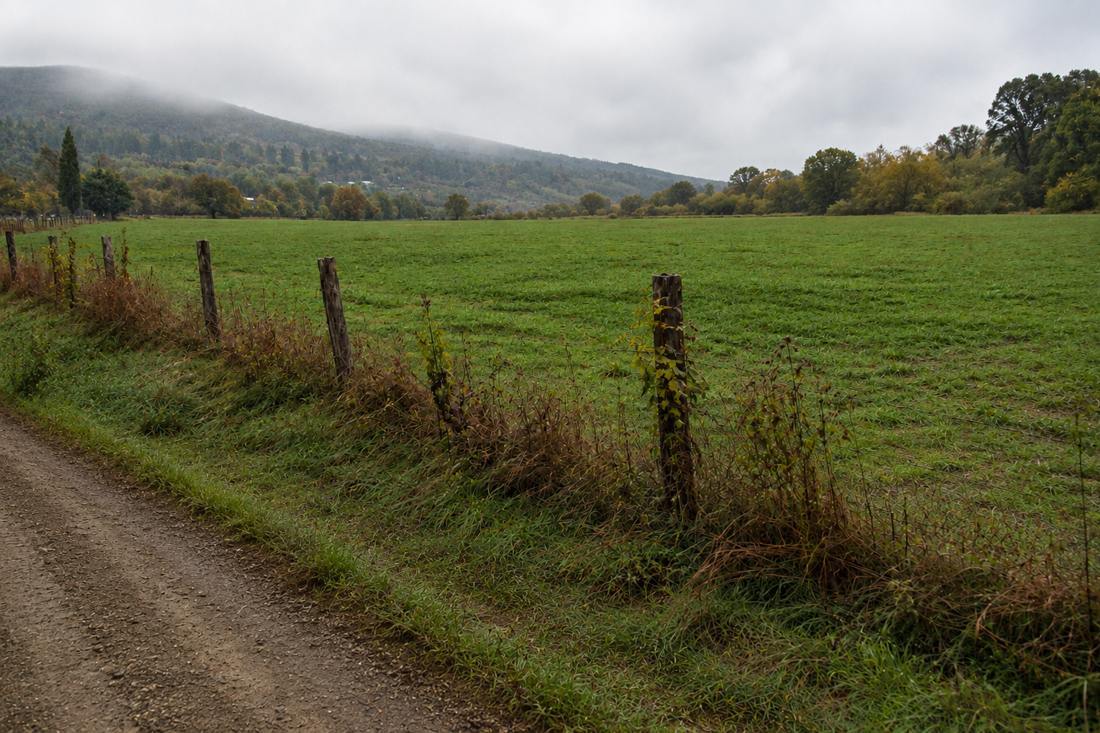
In Vermont I was visiting a farmer who, referring to a neighboring farm, said, "You can't get there from here." Yes, there was a trail that went across the rain-soaked intervening fields, but, unless you had a tractor, you couldn't use that, and instead had to drive back down the road and follow up another road. If you aren't fully present here on your walk to lunch, then, when you get to the restaurant there, you won't fully enjoy your lunch. We imagine getting there as the solution to here. But outer achievement doesn't fill the inner want; money can't buy, as Anthony Bourdain and Freddie Prinze discovered.
Sundays have always been problematic for me, directionless, like being lost in the big woods, as I was more than once up in Vermont. (An acquaintance up there once remarked, "I wasn't lost, but I sure was turned around for a while there.") The scenery is all very pretty, but you don't know where you are going. Or, as on the "day of rest" (and, I suppose, when you've "made it," when you've reached the top) there is no going, no place to go.
Yesterday was a Sunday. I did pretty well: washing my clothes and hanging them out to dry; cooking a big pot of my famous beans (with over a dozen ingredients); consolidating my worm farm down from five compost buckets to two (spreading out the contents of those, and, little by little, skimming soil from the top of each pile as the worms crawl down towards the bottom, away from the heat, sun and dryness); cleaning and straightening out the house; writing... There were a couple of good interactions with my neighbor F. across the street, who is being much more considerate as our friendship grows, and who is also lonely.
My inner world was becoming much more easy and quiet even before I moved here to Manantial at the start of July. Objectively this neighborhood is much noisier than from where I moved(colonia Insurgentes on the far side of San Luis Rey). But in a strange, non-sonic, way, and only very recently, my external world here is also much quieter. I am less irritable, less high-strung, less bothered by little things. Existence, physical living, is smoother. I am easing into ease.

This morning the workers did not show up to continue constructing my apartment on the third floor. There are no electric saws buzzing through ceramic tiles overhead. There is no banging (thud, thud, thud...) resonating down though the floors and walls. They are not playing their lively music, nor calling out loudly, nor whistling shrilly as the 25-year-old does in his exuberance, inspired by those lofty third-floor views.
Change is stressful, even change for the best. Van Gogh wrote to his brother, "I have a horror of success." Even now when we have arrived, it's hard to abandon the strategies that kept us in motion along the way. The midnight train doesn't pass. I sit up in bed: "What was that?"