An interview with DaVida Sal, creator of the of the indie film Leche Roja, made in San Miguel de Allende
Lokkal: Tell us about yourself.
I am an independent filmmaker, actress, writer, and multidisciplinary artist originally from Tarragona, Cataluña. After years of living and working in Los Angeles and the United States, I relocated to Mexico during the pandemic, where I began developing Leche Roja. Over the next three years, the project grew into my most ambitious work to date. Leche Roja is my second feature film and the culmination of a nearly three-year creative journey. In this film, I served as writer, director, producer, editor, and lead actress.
KK: What is Leche Roja?
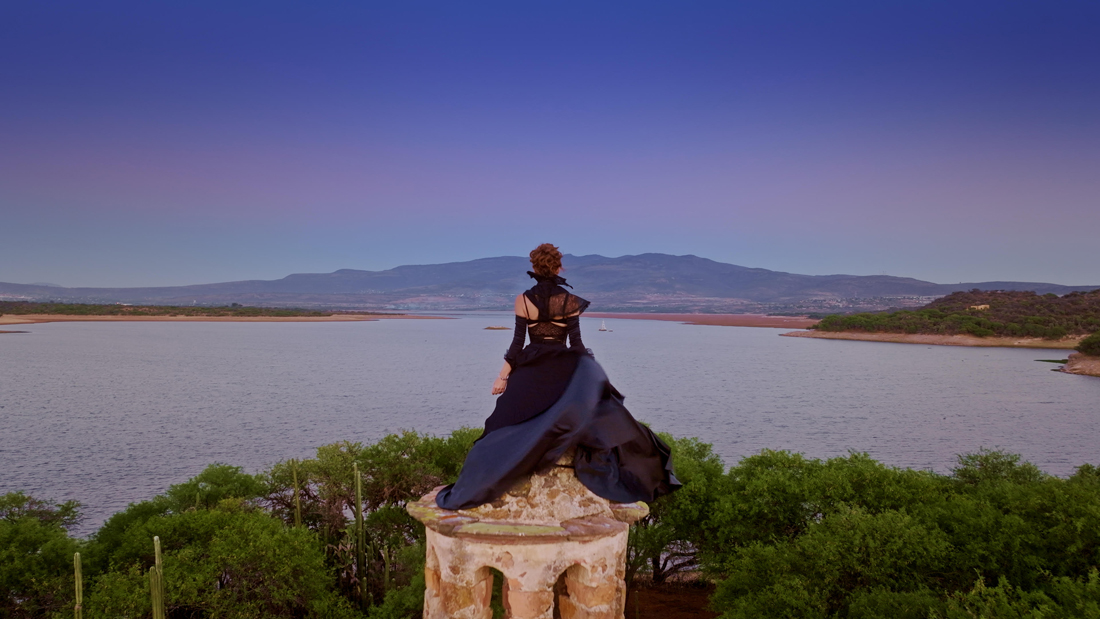
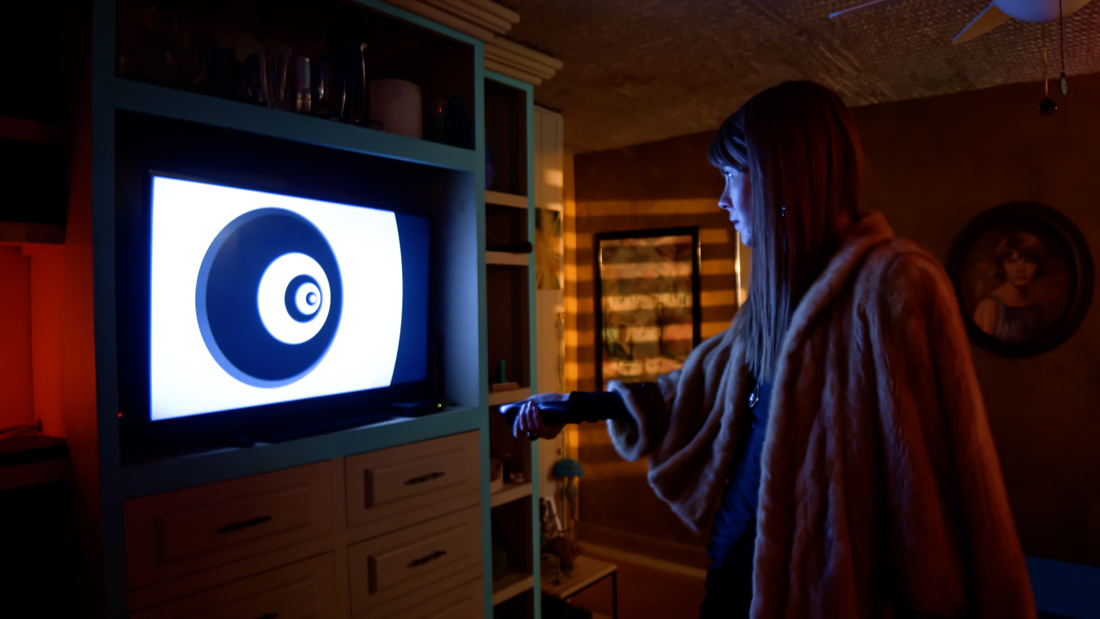
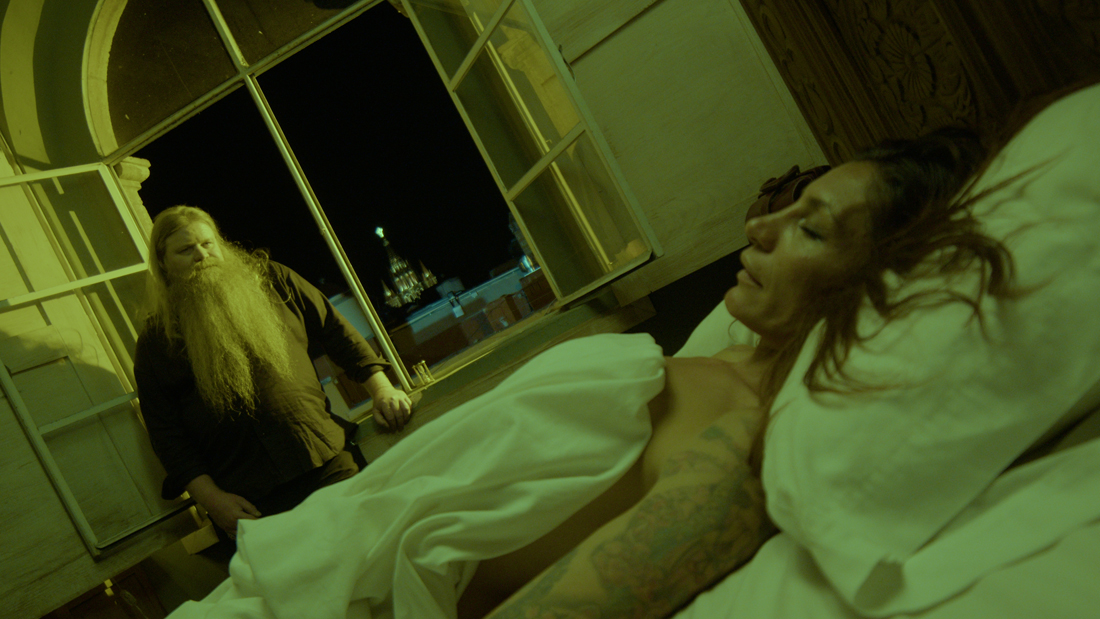
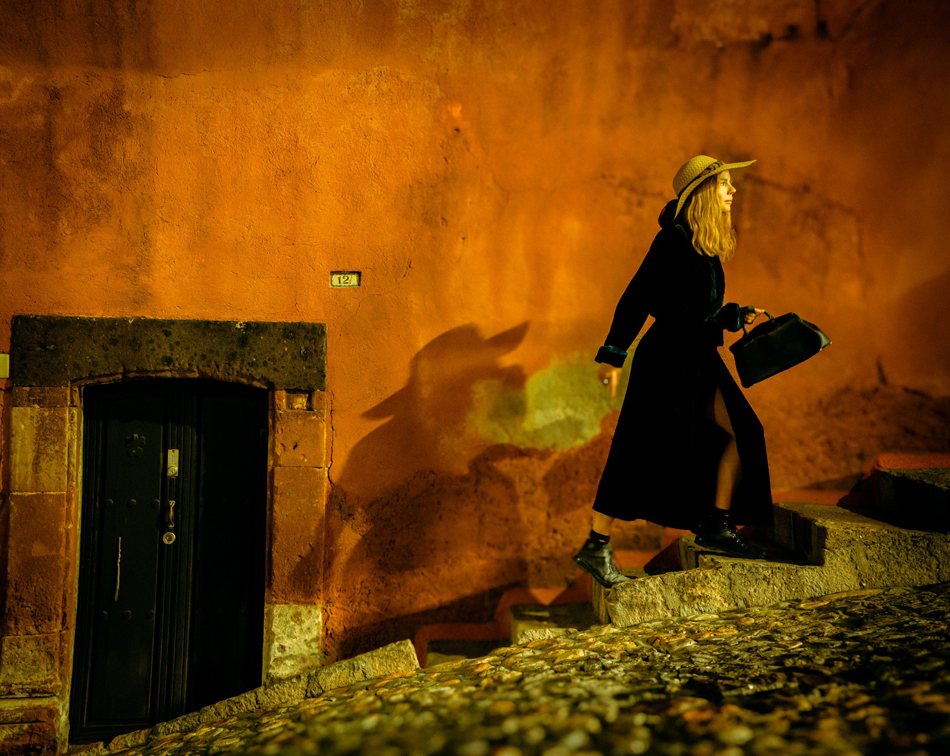
It is a bilingual vampire film set in San Miguel de Allende, Mexico. Eva, a 300-year-old vampiress, arrives in San Miguel de Allende seeking redemption. Guided by Lili, an elderly American vampire who reinvented herself in Mexico and renounced killing, Eva struggles against centuries of addiction and desire. While working as a fantasy girl at Casa de la Noche, Eva meets Bill, a client whose fascination and growing obsession with her begins to awaken long-forgotten human emotions.
After a series of blood baths that profoundly alter the course of his life, Eva is forced to confront the consequences of her actions and the responsibility she bears toward those she touches. Through Bill's love and obsession, Eva gradually begins to relearn what it means to be human. But when her husband appears again, the past returns, and she must choose between remaining a monster or sacrificing everything for a chance to become human again.
KK: What inspired the story?
The themes of transformation and redemption are deeply personal to me. The relationship between Eva and Bill fascinated me because it reverses the traditional vampire dynamic. Instead of simply feeding on a victim, Eva becomes emotionally affected by him and begins to recognize the consequences of her actions. Strangely, Bill helps teach a 300-year-old vampire how to be human again.
Another source of inspiration was the idea of an immigrant vampire who retires in Mexico and tries to leave a violent past behind. Her husband symbolizes her dark part. San Miguel de Allende provided the perfect setting for a story where the ordinary and the supernatural coexist.
KK: What does the title Leche Roja mean?
Leche Roja, or Red Milk, refers to blood collected from cows in slaughterhouses, which redeemed vampires use instead of feeding on humans. Lili survives on this alternative source of nourishment and introduces Eva to the possibility of living without violence. The choice of cows is intentional and invites reflection on how we assign value to life and how violence can become normalized when it is hidden from view.
KK: Why are you fascinated by vampires?
I have always been enchanted by the mystical presence of vampires hiding in the shadows and emerging only when hunger compels them. What interests me most is the story behind the monster. How did they become this way? Who were they before? What regrets do they carry? What does immortality do to a soul? I explore these themes in my movie.
KK: What was it like making the film?
The film took nearly three years to complete, including post-production. I employed Mexican professionals. It was made with a budget of less than $30,000 through crowdfunding and community support. Independent filmmaking requires resilience, creativity, and faith.
KK: What makes Leche Roja different from other vampire films?
Most vampire films focus on horror, violence, or immortality. Leche Roja focuses on redemption. At its heart, it asks a simple but profound question: Can a predator change?
I believe everyone has the capacity to transform and become a better person. We are often shaped by conditioning, beliefs, and ideologies that separate us from one another and from our own humanity. Eva's journey is about confronting the consequences of her actions and choosing a different path.
The vampire in Leche Roja serves as a metaphor for the human condition. If even a vampire can learn compassion, confront their past, and choose a different path, perhaps there is hope for all of us.
KK: What do you hope audiences take away from the film?
I hope audiences leave questioning the nature of consumption, compassion, and redemption. In different ways, we all consume. We feed on each other's energy, attention, labor, love, and resources. We also depend on the blood, milk, and meat of animals for our survival.
KK: What does completing this film mean to you?
It represents resilience. For nearly three years, I lived with these characters every day. To me, making a film is a bit like having a child. It begins as an idea, grows through years of care, sacrifice, and uncertainty, and eventually takes on a life of its own. You nurture it, protect it, and devote an enormous part of yourself to helping it become what it is meant to be.
Leche Roja was not simply a film project—it became a constant companion and a profound creative journey. Completing it feels both joyful and bittersweet. Like a parent watching a child leave home, there comes a moment when you have to let it go and allow it to find its own path in the world.
Finishing Leche Roja was not just completing a film; it was completing an important chapter of my own life.
KK: What's next for you?
I am already developing my next film. My hope is that Leche Roja will open doors to new opportunities, meaningful collaborations, and funding for future projects.
There will be an invitation-only pre-sreening of the film on July 24. If you are interested in attending, please email Davidavida444@gmail.com
************** ********** *******
Please contribute to Lokkal, SMA's online collective: