 Español
May 3, 2026
by Charles Miller
An often-repeated legend, some say it is apocryphal, is that the internet we all use today was created by the military as a communications system that could survive a nuclear war. It is a fact that the DARPA (Defense Advanced Research Projects Agency) had a hand in developing the internet, and also a fact the system was designed with incredible fault tolerance. The system was designed such that when a failure occurred it could do so in the least-catastrophic way possible; and the system keep working at some reduced level.
The Internet we have today is a robust communications system that can withstand a lot of abuse. No matter how improperly configured, no matter how substandard the wiring, no matter how overloaded, an internet connection will often still be at least usable to some extent. This has led to a generation of do-it-yourselfers, armed with good intentions and little or no knowledge, trying to install their own home networks. The result can be internet connections that might not work very fast, might not work all the time, might buffer incessantly while watching Netflix, but still manages to avoid failing completely.
Meanwhile, in 2022 the European Union mandated that almost all consumer electronics adopt USB-C as a standard by deadlines starting December 28, 2024. All laptop computers sold in the EU are now required to comply April 2026. Companies such as Apple were compelled to either give up using their proprietary charger systems, or stop selling their computers and mobile devices in Europe.
Already the proliferation of different chargers for small electronic devices is coming to an end. In the future, all new cell phones, tablets, digital cameras, headphones, e-readers, keyboards, mice, laptops, medical devices, and pretty much any device with a rechargeable battery will have to conform to the USB-C charging standards to be sold in Europe. Effectively, this means we now have a worldwide standard for battery chargers. It also means that in the future millions of oddball battery chargers will no longer be sent to the planet’s landfills, so that is a positive.
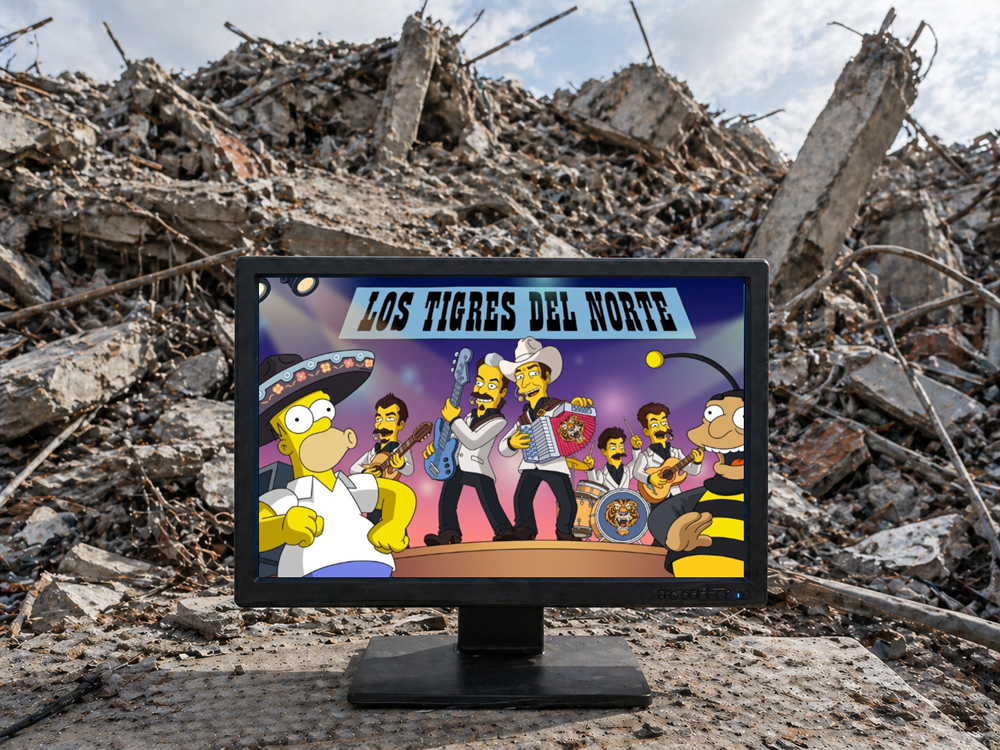
So what in blazes do my stories about the internet and about battery chargers have to do with each other? The answer is that both systems have been designed as much as possible to be "fail safe." "Fail safe" in this context means the system has been designed to fail gracefully when it does fail, and to not fail catastrophically where that is possible. This philosophy of fail safe system design can also camouflage some problems.
The do-it-yourselfer who installed their own home Wi-Fi network will sometimes be heard complaining that the "internet is slow" or "the Wi-Fi is weak" or "Telmex is out." Sometimes the truth is that an improperly installed network will continue to limp along at a slower speed or intermittently, this because the system was designed to "fail safe" and not fail completely.
And someone who does not believe in reading instruction books might be heard complaining that their new smart phone that was advertised as being able to charge its battery in minutes is in stead taking hours and hours. They might say "but the plug fit!" or "it never charges to 100% no matter how long I leave it plugged in!" Here again, the charging system is designed to "fail safe," in this case meaning that the wrong charger was designed to not damage a battery by over-charging it and to give a battery at least some charge.
While there is not always a simple solution to the problem of an unreliable home network, the answer to the battery charging problem is easier. Read and follow the instructions that came with your rechargeable device to learn how to choose the correct charger… not just one with a plug that fits.
**************

Charles Miller is a freelance computer consultant with decades of IT experience and a Texan with a lifetime love for Mexico. The opinions expressed are his own. He may be contacted at 415-101-8528 or email FAQ8 (at) SMAguru.com.
**************
*****
Please contribute to Lokkal,
SMA's online collective:
 ***
***
Discover Lokkal: Mission
Visit SMA's Social Network
Contact / Contactar