 Español
November 1, 2026
by Fredric Dannen
Anti-Communist demonstrators marched outside the Waldorf-Astoria hotel in New York in March 1949. It was early in the Cold War, and the Soviet Union had sent five delegates to the hotel for a conference, among them the composer Dmitri Shostakovich. One picketer waved a sign that read, "Shostakovich! Jump thru the window!" The composer did not heed the suggestion to defect. Instead, in a private phone call with Stalin, he quietly persuaded the dictator to rescind a year-long ban of the music of two fellow Soviet composers, Serge Prokofiev and Aram Khachaturian.
Shostakovich, who died in 1975, could never have imagined that one day his music, along with Prokofiev's and Khachaturian's, would again be banned – not in Russia, but by liberal democracies. The blacklisting of Russian music began shortly after Russia's unprovoked full-scale invasion of Ukraine in February 2022, ordered by Vladimir Putin. Symphony orchestras, opera and ballet companies, and chamber music festivals throughout the Western world cancelled performances by Russian musicians, and scrubbed from their programs compositions by Russians – not merely Stalin-era composers, but 19th century stalwarts such as Tchaikovsky, Mussorgsky and Borodin.
The purge was understandable on an emotional level, but it failed to meet a test of historic knowledge and perspective. When the Polish National Opera struck Mussorgsky's opera Boris Godunov from its calendar, Heather Mac Donald, writing in City Journal, noted the irony. The opera, she wrote, is "a coruscating take on power and the psychological deterioration of a despotic ruler" – in other words, an outright condemnation of men like Putin.
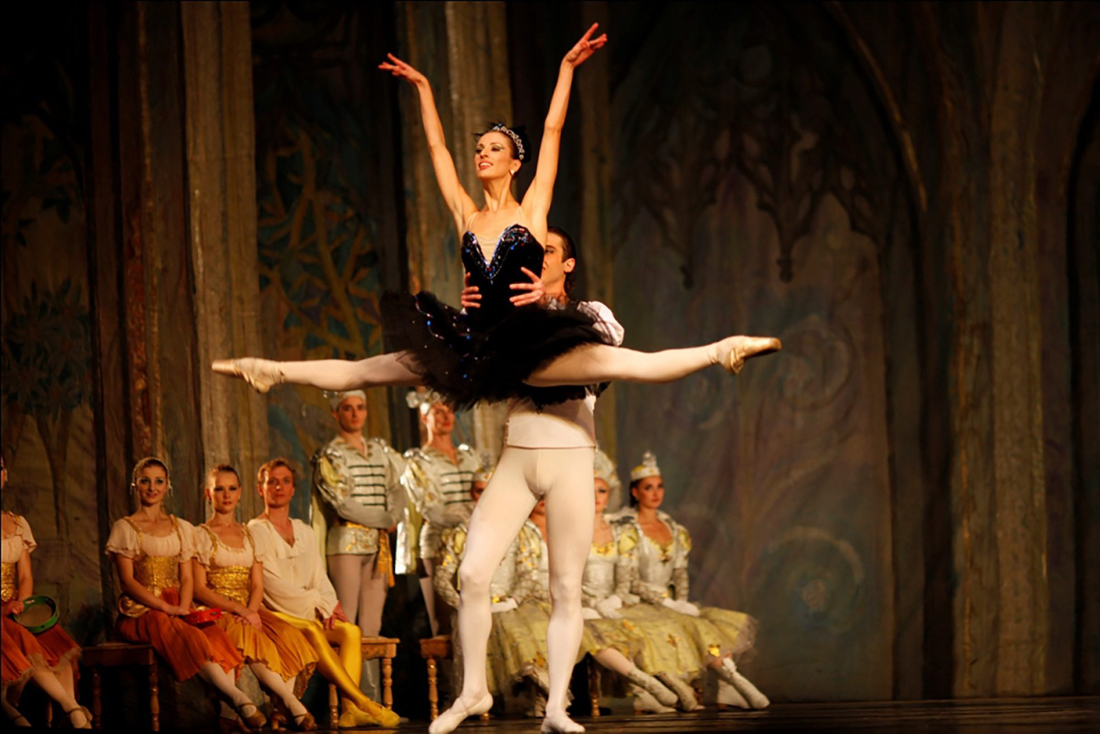
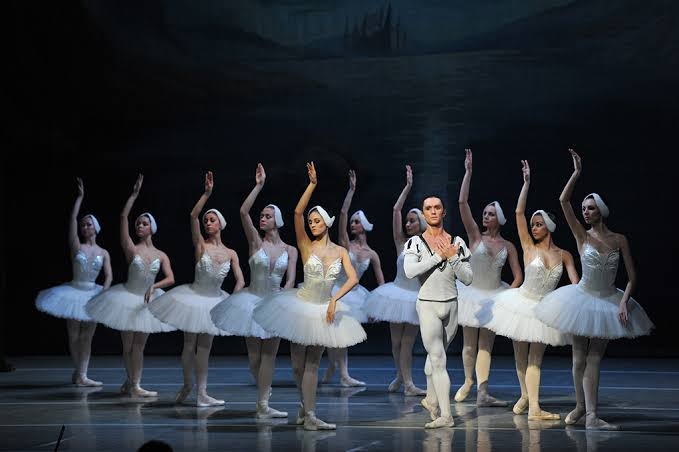
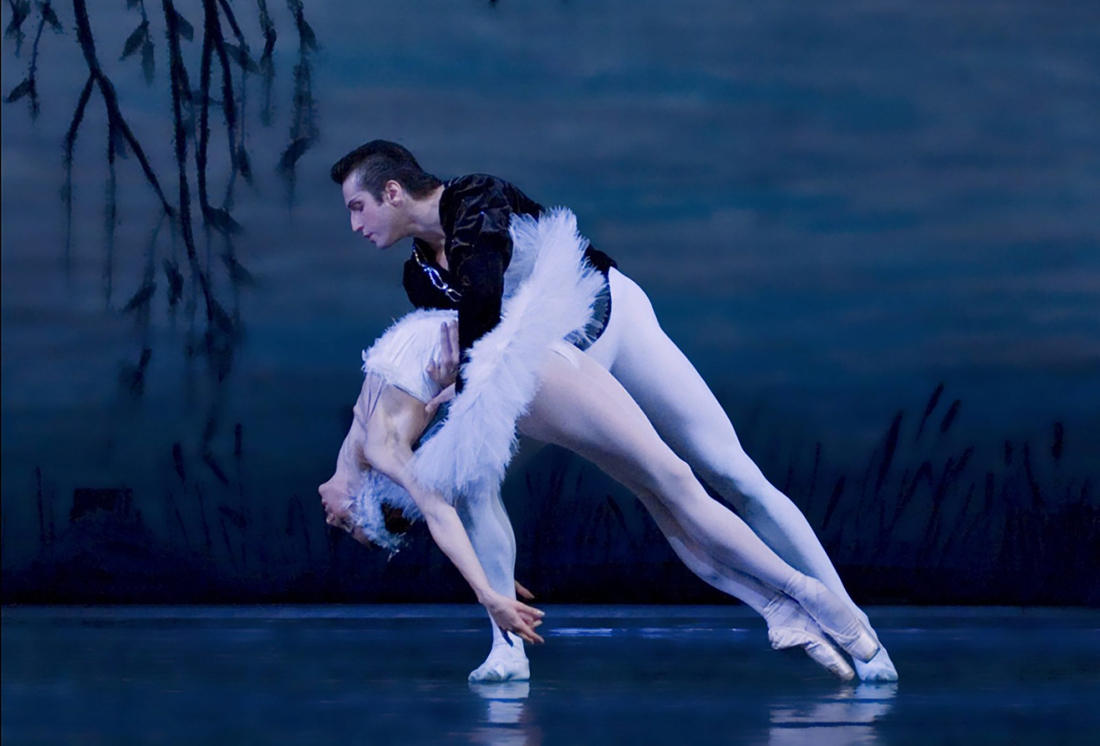
As for Tchaikovsky – what can one say? He wrote some nationalist Russian works, such as the 1812 Overture, but for the most part he was thoroughly cosmopolitan, and his personal god was Mozart. His music for Swan Lake, a sweeping, Romantic score on a symphonic scale, revolutionized ballet music, but its style is far more Western European than Russian. The ballet's fairy tale narrative, and the name of its male protagonist, Siegfried, are decidedly Germanic.
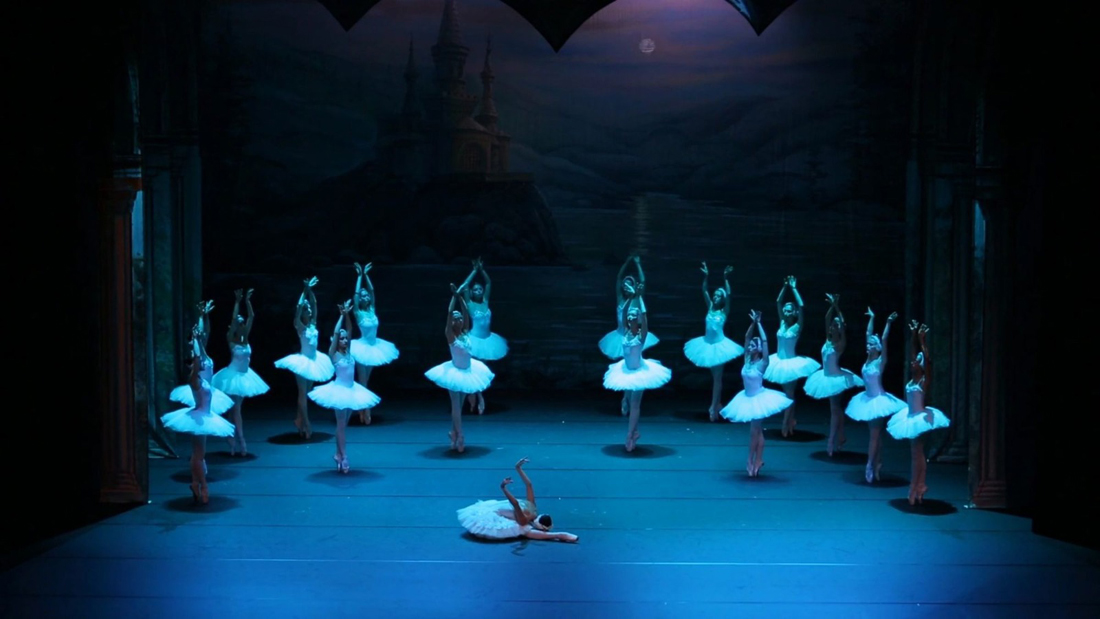
Anatoliy Kazatskiy, the artistic director and choreographer of the Royal Ukrainian Ballet, is well aware of all this. The majority of the roughly 45 dancers in his company were trained in classical Ukrainian academies, and Kazatskiy himself was the principal dancer at the Kharkiv Opera and Ballet Theatre in Ukraine. The troupe is staunchly supportive of Ukrainian independence. Yet despite the deep geopolitical enmity between Russia and Ukraine, Kazatskiy continues to choreograph and tour worldwide using traditional Russian classical music, particularly ballet scores by Tchaikovsky – not only Swan Lake, but The Nutcracker and Sleeping Beauty.
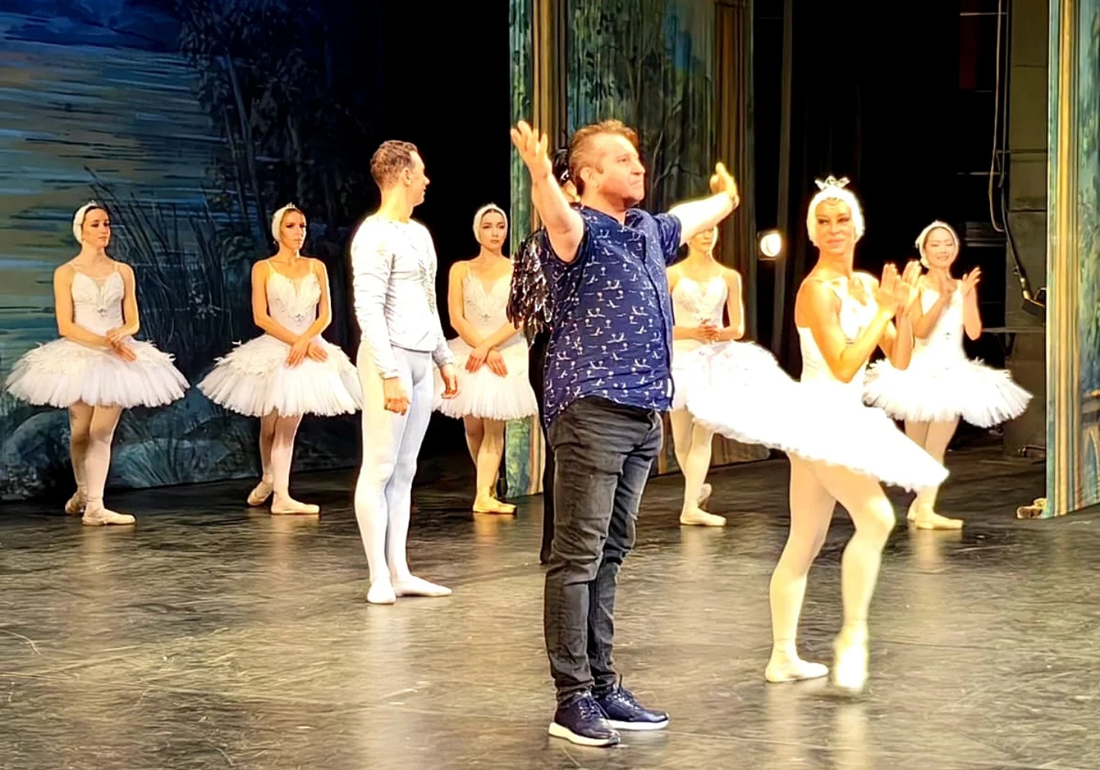
Anatoliy Kazatskiy, artistic director / choreographer
*
Kazatskiy has defended his choice of repertoire on two grounds, both of them sensible. For one thing, he says, Russian ballet music is at the core of international dance education, and is by no means a political instrument. (Swan Lake, one might add, is a far cry from state propaganda like The Red Detachment of Women, one of only two ballets approved for performance during China's Cultural Revolution.) Moreover, Kazatskiy points out, he is effectively using classical Russian music to secure livelihoods for Ukrainian performers displaced or affected by the war.
***
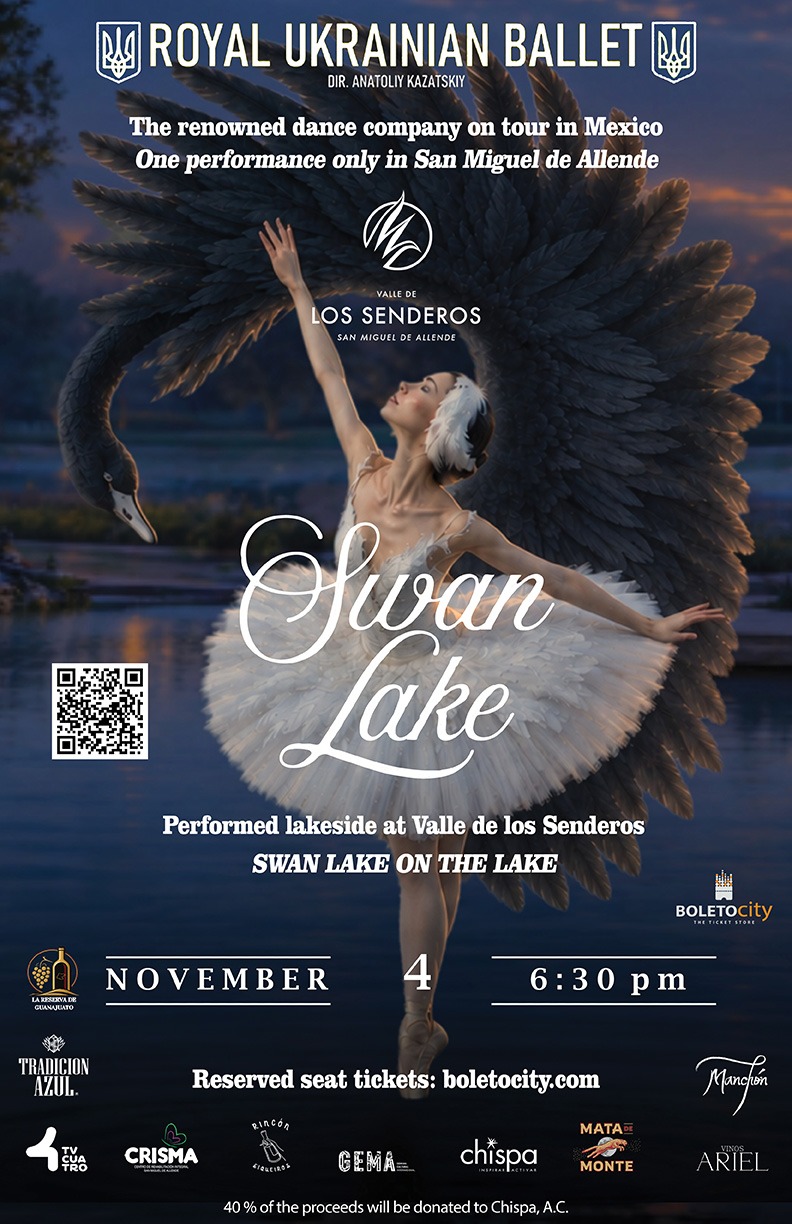
The Royal Ukrainian Ballet tours globally, bringing traditional full-length ballet masterpieces to venues across Europe, the Americas, and beyond. The company, known for its elaborate costumes and stage decorations, and especially for its superb dancers, is currently on tour in Mexico. Kazatskiy's ballet troupe will give a single performance of Swan Lake in San Miguel de Allende on Wednesday, November 4. The chosen venue could not be more enchanting, or appropriate, for this ballet – the lakeside performance area at Valle de los Senderos, about two miles from the center of San Miguel.
The twilight performance will begin at 6:30pm, but the festivities begin at 5:00pm, with food and beverage service in the lush surroundings.
Tickets for three reserved-seat sections – VIP, Center, and Sides – can be purchased online at boletocity.com. Remaining seats will be sold at the event, and children of school age will be admitted at half price. VIP ticketholders will be offered complimentary wine and charcuterie boards at tables set up at their couch seats, as well as an after-show cocktail with the main artists and sponsors.
Tickets
**************
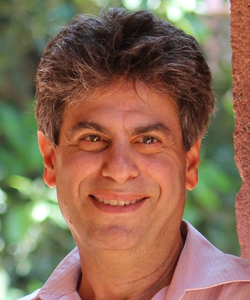
Fredric Dannen is a journalist and author with a specialty in criminal justice. He has been a staff writer for the New Yorker and Vanity Fair.
In 1990, Hit Men, his book about the American music industry and the influence of organized crime, spent a month on the New York Times bestseller list. The book is #2 on Billboard's list of 100 Greatest Music Books of All Time. One of his Vanity Fair articles prompted the Sixth Circuit Court of Appeals to rebuke the U.S. Justice Dept. for fraudulently withholding exculpatory evidence in the case of Cleveland auto worker John Demjanjuk, who was extradited, wrongly convicted, and sentenced to hang in Israel as the Nazi war-criminal "Ivan the Terrible." He secured the only interview given by Los Angeles police chief Daryl Gates on the heels of the infamous Rodney King beating, and the only interview ever given by crime boss Lorenzo Nichols, the crack kingpin of New York City.
While conducting research for a forthcoming book, Dannen uncovered lost evidence in the case of Calvin Washington, a Texan wrongly convicted of homicide. As the direct result of Dannen's efforts, Calvin Washington won a full pardon for innocence, the first ever granted by Texas governor Rick Perry under the state's DNA statute.
Please contribute to Lokkal,
SMA's online collective:
 ***
Discover Lokkal: Mission

Visit SMA's Social Network
Contact / Contactar